
[!IMPORTANT]
Institutional Safeguard & Scope of Non-Engagement (Zero-Custody):
The hydropower CAPEX challenge: capital intensity and site asymmetries
The development of Small Hydropower Plants (SHPs / PCHs — assets with installed capacity between 5 MW and 30 MW and reservoir areas up to 13 km²) represents a foundational pillar of the Brazilian renewable matrix. Providing dispatchable baseload generation with minimal environmental footprints, SHPs offer vital local voltage and frequency stabilization to the National Interconnected System (SIN).
However, SHP projects feature distinct risk asymmetries compared to solar or wind assets:
1. Capital Intensity & Extended Construction Cycle: CAPEX (capital expenditure) historically spans R$ 8,000 to R$ 13,000 per installed kW, with construction timelines ranging from 18 to 36 months;
2. Geotechnical Foundation Risks: Rock excavations, abutment grouting, and permeability stabilization preclude modular factory standardization;
3. Hydrological Seasonality: River diversion and spillway concreting mandate strict adherence to dry-season windows to prevent cofferdam overtopping;
4. Electromechanical Lead Times: Hydraulic turbines and synchronous generators require substantial manufacturing down-payments with lead times exceeding 12 months.
Without disciplined fiduciary governance anchored in linked escrow accounts and Owner's Engineering field audits, unmitigated capital disbursements shift contractor insolvency risks onto lenders and equity sponsors.
The preliminary regulatory tripod: ANA, environmental authorities, and ANEEL
No substantial construction capital may be disbursed prior to full clearance of statutory regulatory conditions precedent:
1. Water Resources Concession and Grants (ANA and State Agencies): Governed by Federal Law No. 9,433/1997, water grants establish the legal entitlement to divert and turbine stream flows. Federal river basins fall under the National Water and Sanitation Agency (ANA), while intra-state rivers are regulated by state authorities. Grants fix immutable parameters: minimum ecological flow, long-term flow duration curves ($Q_{95}$), and maximum normal reservoir operating levels.
2. Three-Phase Environmental Licensing (CONAMA Resolution 237/1997): Strictly adheres to the statutory three-phase cycle: Preliminary License (LP), establishing locational viability based on EIA/RIMA or RCA studies; Installation License (LI), authorizing physical groundworks and river diversion under environmental mitigation plans (PBA); and Operating License (LO), granted after final impoundment inspection permitting commercial dispatch.
3. ANEEL Authorization Grant (Normative Resolution 875/2020): Normative Resolution ANEEL No. 875/2020 unified SHP regulatory authorizations. ANEEL approves the Basic Engineering Project (PB), confers commercial exploitation rights for up to 35 years, and enforces binding intermediate milestones.
Physical and financial segregation: Civil Works vs Electromechanical Assembly
Disciplined SHP CAPEX ring-fencing requires strict budgetary, contractual, and operational segregation between distinct industrial packages:
Structural CAPEX Decomposition in Small Hydropower Plants (SHPs)
Physical, budgetary, and contractual segregation between Civil Works and Electromechanical Supply (ANEEL Normative Resolution 875/2020)
TOTAL SHP CAPEX (100%)
Consolidated SPE project budget under structured financing with Project Escrow and Owner's Engineer independent oversight
Heavy Civil Works Package
Unit-Price / Lump-Sum Contract with Monthly In Situ Metric Audits
- River diversion works & 1st and 2nd phase cofferdams
- Roller-Compacted Concrete (RCC) / Gravity Dam structure
- Spillway, Water Intake & Radial Crest Control Gates
- Adduction Canal / Water Tunnel, Surge Tank & Penstock
- Surface Powerhouse & Tailrace canal returning water to natural stream
Electromechanical & SCADA Package
Supply & Erection Industrial Contract
- Hydraulic Turbines (Kaplan / Francis / Pelton) & Butterfly Inflow Valves
- Synchronous Hydro-Generators, Static Excitation & Isolated Phase Busbars
- Draft Tube Gates, Bulkhead Stop-logs & Hydromechanical systems
- Substation Protection, Distributed I/O Automation & SCADA Supervision
- Step-Up Substation (SE) & High-Voltage Interconnection Transmission Line
Operational governance mandates independent engineering sign-off with accredited certification for all civil metrics and FAT/SAT factory trials. No automated disbursements take place; technical dossiers serve as auditable proof for authorized joint signatory release and private banking liquidation.
- Heavy Civil Works Package (45% to 55% of CAPEX): Site mobilization, river diversion tunnels/cofferdams, rock blasting, roller-compacted concrete (RCC) dam construction, spillways, water intake, penstocks, and powerhouse;
- Electromechanical & Hydromechanical Package (35% to 45% of CAPEX): Hydraulic turbines (Francis or Kaplan units), synchronous generators, governors, exciter systems, intake gates, overhead cranes, and step-up substations;
- Owner's Engineering & Environmental Supervision (10% to 15% of CAPEX): Independent engineering oversight, PBA compliance programs, and comprehensive CAR/ALOP insurance coverage.
This segregation ensures that geotechnical civil delays do not consume capital allocated to electromechanical equipment, with accounting managed through multi-party escrow structures.
Auditable milestone matrix for fiduciary CAPEX disbursement
Capital releases follow auditable physical milestones certified by independent engineering audits:
This schedule prevents premature liquidity transfers, supporting rigorous contractual risk mitigation in supply frameworks.
Hydrological risk mitigation and electromechanical grid synchronization
SHP commercial operation within the Energy Relocation Mechanism (MRE) is exposed to hydrological systemic risk (Generation Scaling Factor - GSF). Fiduciary governance erects three mitigants:
1. Hydrological Risk Renegotiation (Laws 13,203/2015 and 14,120/2021): Regulated PPAs transfer systemic GSF shortfalls onto tariff mechanisms;
2. Debt Service Reserve Accounts (DSRA): Ring-fencing 3 to 6 months of principal and interest debt service against seasonal low-flow periods;
3. Machinery Breakdown and Business Interruption Insurance (ALOP/BI): Compulsory coverage against turbine runner cavitation and electrical generator failures.
Electromechanical Commissioning: The culminating milestone adheres to ONS Grid Procedures (Submodule 23.3): no-load spinning tests, governor dynamic response verification, full load rejection tests (25%, 50%, 75%, 100%) to verify water hammer transient pressures in the penstock, and grid synchronization.
Technical glossary and canonical definitions
Frequently Asked Questions (FAQ)
What distinguishes a Small Hydropower Plant (SHP) from a Mini-Hydro (CGH) under ANEEL rules?
Mini-hydro plants (CGH) have an installed capacity up to 5 MW and benefit from simplified registration. Small Hydropower Plants (SHPs/PCHs) possess capacity between 5 MW and 30 MW and reservoir areas up to 13 km², requiring formal authorization grants based on Basic Projects approved under ANEEL Normative Resolution No. 875/2020.
Why is river diversion considered the highest-risk milestone in civil construction?
Executing cofferdams and diversion tunnels exposes foundation works directly to river hydrology. Flash floods can breach temporary cofferdams, drown foundation pits, and impose multi-month delays with severe cost overruns.
How do ANA and state water grants legally protect the project?
Water grants confer legally binding diversion rights for a defined horizon (typically 35 years). This shields the asset against competing upstream abstractions that could deplete design flows ($Q_{95}$) and degrade the plant's certified physical energy guarantee.
What is the ANEEL grant regime applicable to SHP turbine generation under Law 14,182/2021?
Law 14,182/2021 and ANEEL normative resolutions established mandatory long-term capacity contracting auctions and grant extension protocols for Small Hydropower Plants. The regulatory authorization secures long-term dispatch rights and tariff stability, conditioned upon rigorous compliance with certified construction and commissioning milestones.
How is repowering and modernization CAPEX treated within the asset base and fiduciary guarantees?
Repowering investments — including runner replacement, stator rewinding, or digital governor upgrades — require technical feasibility and hydrological certification by an Owner's Engineer, followed by ANEEL homologation. In fiduciary finance, repowering capital is held in dedicated escrow accounts, adding to the asset base while requiring PPA amendments and debt covenant recalibration.
Fiduciary structuring roadmap and institutional role segregation
Venko Total Group's governance framework operates through four impermeable compliance gateways, guaranteeing fiduciary integrity and zero custody:
Engineering Pipeline, Physical Milestones & Disbursement Safeguards
Illustrative simulation of a 50 MWp solar plant: physical field verifications (modules, pile driving, ABNT NBR 16690, and 34.5/230 kV substation) as evidentiary inputs for escrow accounts
Horizontal Segregation of Roles & Governance Barriers Flowchart
Strict segregation between physical site execution, technical sign-off, software orchestration, and banking settlement
EPC Contractor
Consolidation of commercial invoices, entry NF-e records, Siscomex customs clearance (DI/Duimp), and physical construction logs.
Independent Owner's Eng.
On-site field inspection, ABNT NBR 16690 & 16274 testing, and statutory CREA Anotação de Responsabilidade Técnica (ART).
Venko Total Group
Dossier orchestration, cryptographic SHA-256 audit hashing, two-party Maker-Checker governance, and private instructions.
Regulated Escrow Bank
Administration of the segregated escrow bank account and final tranche fund release under Central Bank supervision.
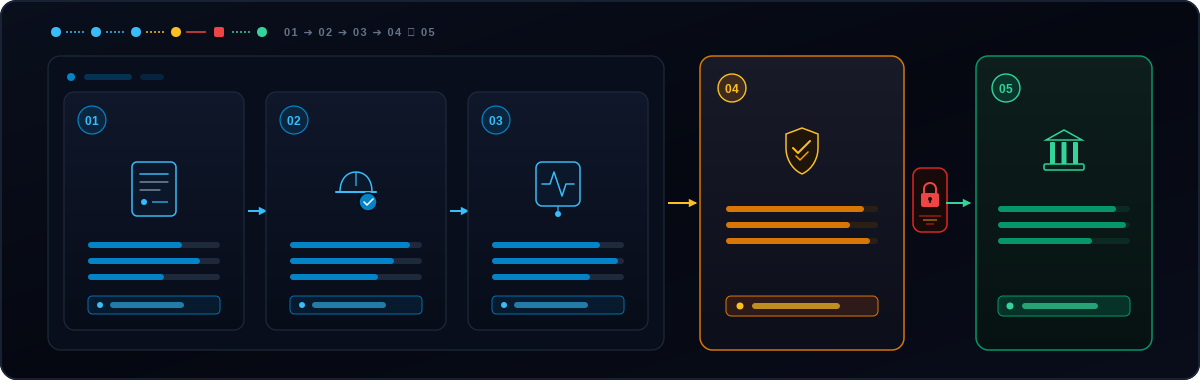
Physical engineering tranches and contractual safeguards (Didactic Example):
- T1: 25%PV Modules & Inverters SupplySupply & Customs
Siscomex customs clearance (DI/Duimp), commercial invoices, Bill of Lading (BL), entry NF-e records for 90,000 bifacial panels and 10 central inverters with georeferenced serial sampling.
- T2: 25%Civil Works, Pile Driving & TrackersCivil & Geotechnical
Topographic GNSS RTK survey, geotechnical pile pull-out tests (pursuant to project engineering specifications and certified CREA ART), and aerial drone photogrammetry.
- T3: 25%Electromechanical Assembly CC/CAElectromechanical & NBR
DC string cabling, AC feeders, combiner boxes, and electrical testing pursuant to ABNT NBR 16690:2019 and ABNT NBR 16274:2014 (insulation resistance R-iso and I-V curves) with CREA ART.
- T4: 25%Substation 34.5/230 kV & Grid InterconnectionSubstation & Grid/ONS
Energization of the step-up transformer, SCADA telemetry integration, protection relay testing, and compliance with the ONS CUST transmission agreement for connection to the SIN.
- 05Settlement Channel / Contracted CustodianContracted Institution
Formal private administrative order dispatched exclusively to the contracted regulated partner financial institution for release from a segregated escrow account. Note: step 05 is neither a fifth tranche nor a fifth disbursement, but the banking settlement channel for the 4 physical engineering tranches (where applicable, an authorized institution in the relevant jurisdiction).
If inspection reports identify non-critical Level 2 punch-list snags, the contract may stipulate a precautionary 5% to 10% retention of tranche funds in a segregated sub-account until technical remedy; no funds are disbursed automatically.
Regulatory safeguard: Illustrative didactic example. The 25% tranches and plant parameters simulate typical market models. Venko Total Group acts exclusively in technical coordination and documentary milestone governance, without custody of funds or execution of banking activities.
1. Civil Contractors & Electromechanical Manufacturers: Submission of field survey records, invoices, material certificates, and engineering responsibility registers (ART);
2. Independent Engineering (Owner's Engineer): Rigorous on-site testing, FAT/SAT dossier review, and milestone completion certification;
3. Venko Total Group (Evidentiary Software Governance): Cryptographic dossier orchestration, ANA/ANEEL prerequisite checks, Maker-Checker authorization matrix, and verified payout release instructions;
4. Chartered Custodian Bank: Execution of escrow disbursements strictly upon ledger-verified certification, enforcing absolute asset ring-fencing between the SPE, sponsors, and lenders.
By tying capital releases to auditable engineering milestones, this fiduciary structure converts construction unpredictability into institutional certainty.
Institutional Disclosure (Zero-Custody): This document reflects technical standards in force at the time of publication and does not replace the engagement of licensed engineers registered with regional boards (CREA/CONFEA). Venko Total Group acts as a neutral evidentiary software coordinator and does not execute banking custody.
Intelligence Report Conclusions & Release Governance
- •Full Regulatory Compliance: Complete alignment with Federal Procurement Law 14,133/2021, Law 13,303/2016, and federal audit standards (CGU/TCU).
- •Canonical Segregation & Zero-Custody: Strict boundary between analytical evidence coordination and regulated banking custody.
- •Immutable Cryptographic Integrity: Audited envelope with SHA-256 canonical digest and full traceability via RFC 8785.
- •Fail-Closed Shielding: Operation strictly constrained in production environments with full quorum of validated gates.