Sovereign Insights
Read commentary, compliance updates, and architectural analyses from our engineering and regulatory operations teams.

Operational Coordination in Commodities and Trade Finance
Documentary governance for shipments, demurrage, and banking workflows conducted by authorized institutions.
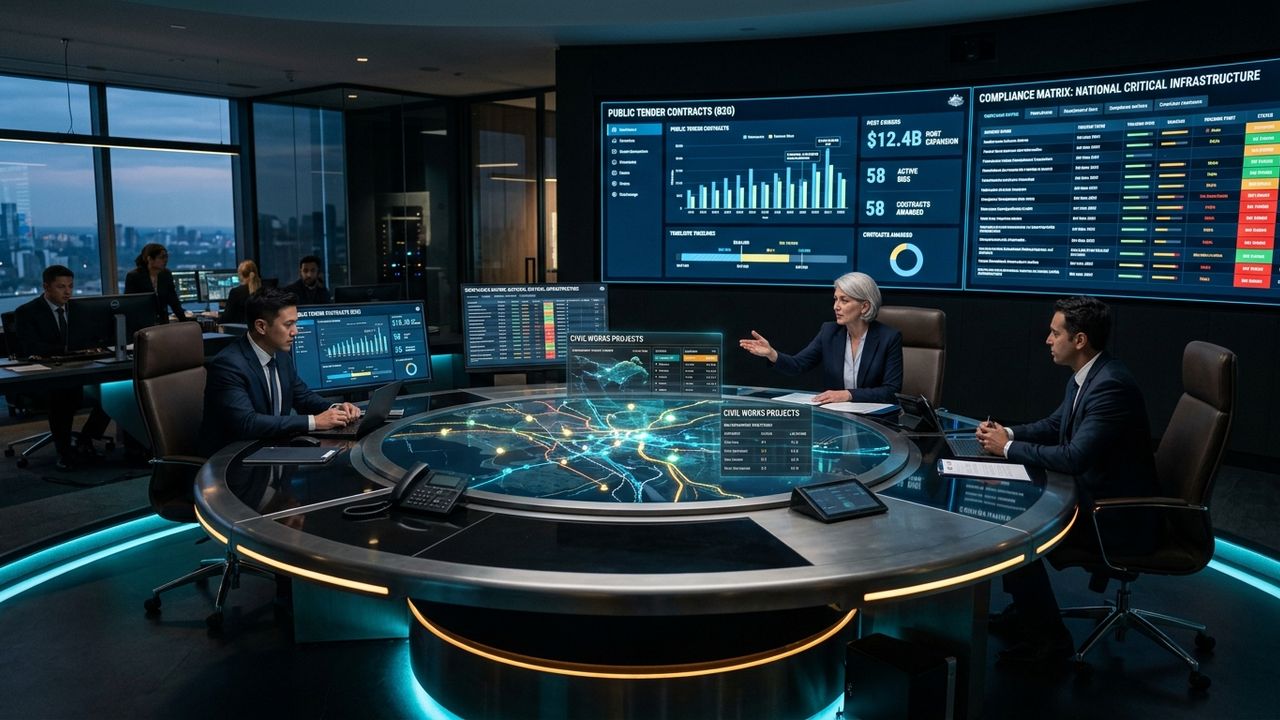
B2G Governance and Law 14,133/2021: Public Procurement Monitoring and Contract Risk Management
How consortia and government contractors utilize geospatial radar (GEV) and integrated contract guarantee governance to structure compliance in public tenders under Brazil's New Public Procurement Law.

Middle-Market M&A Governance: From Due Diligence to Secure Closing Execution
Corporate M&A transaction orchestration methodologies, closing conditions precedent management, and holdback escrow governance.

Traceability and Compliance in Strategic Minerals: Niobium, Columbite, and Chain of Custody
Operational chain-of-custody standards for critical high-tech minerals, alignment with OECD due diligence guidelines, and qualification of Dodd-Frank Section 1502 scope.

B2G Infrastructure: Operational Governance of Public Consortia and Tenders
How to structure infrastructure consortia and public tenders with verifiable milestone auditing and regulatory compliance.

Documentary Governance in Physical Commodities: How to Reduce Risks Before Trade Finance
See how to validate commodity documents, structure KYC/KYB, inspect Incoterms, BL and SGS reports, and coordinate trade finance flows in a zero-custody operational model.

Maker-Checker Governance in Escrows and Risk Management in the Fiduciary Ledger
Like maker-checker dual authorization, neutral operational coordination and cryptographic ledger reduce risks in high-value fiat operations without direct custody of resources.

Securing Middle-Market M&A: Non-Bank Workflow Coordination
Discover how Venko's zero-custody model orchestrates closing conditions and fiduciary routing instructions for mid-market acquisitions without balance-sheet risk.

Synchronizing Public Infrastructure: Consortia Milestone Tracking
Learn how Venko's zero-custody framework coordinates government tenders and multi-party engineering milestones with transparent, auditor-ready logs.
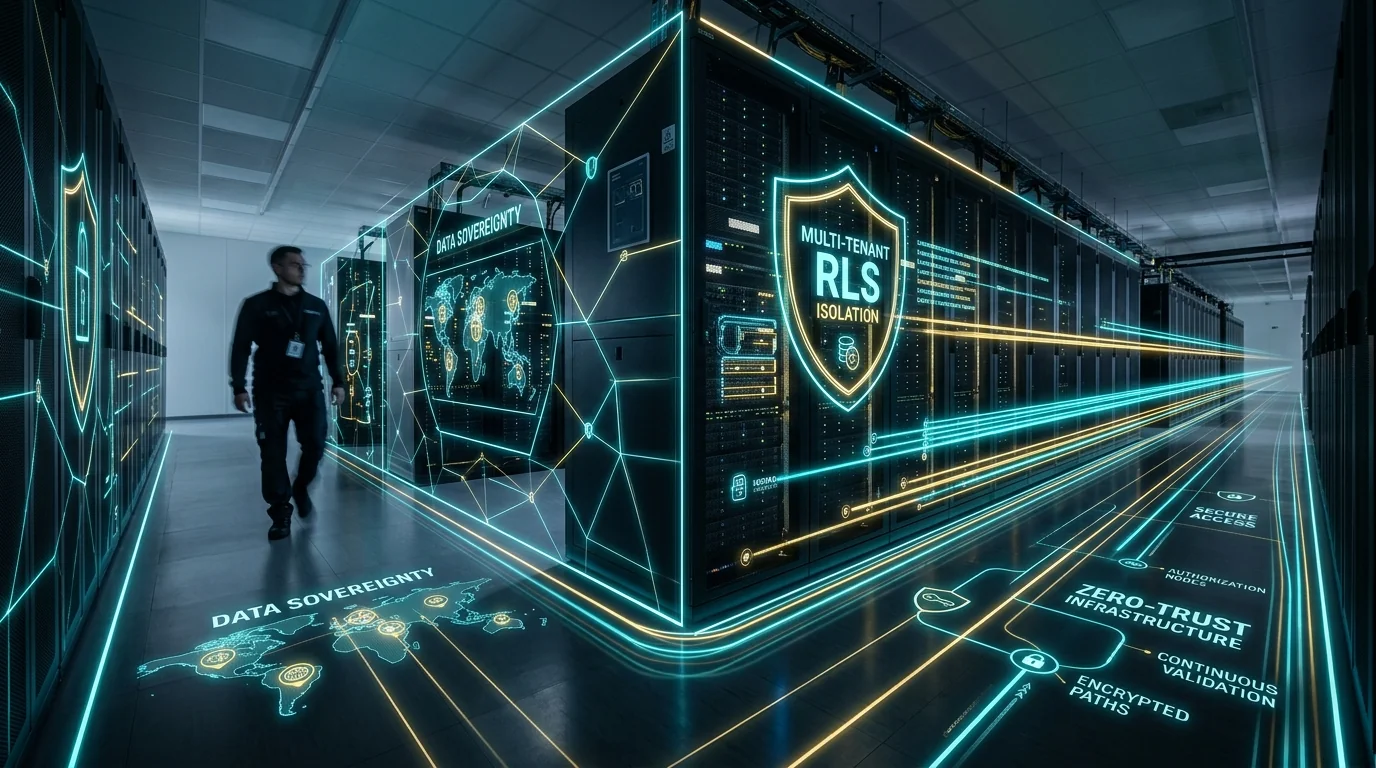
Data Sovereignty in Action: How Venko Enforces Regional Residency and Multi‑Tenant Isolation
How Venko protects operational metadata, logs, and transaction telemetry inside secure regional boundaries, in full alignment with international data rules.
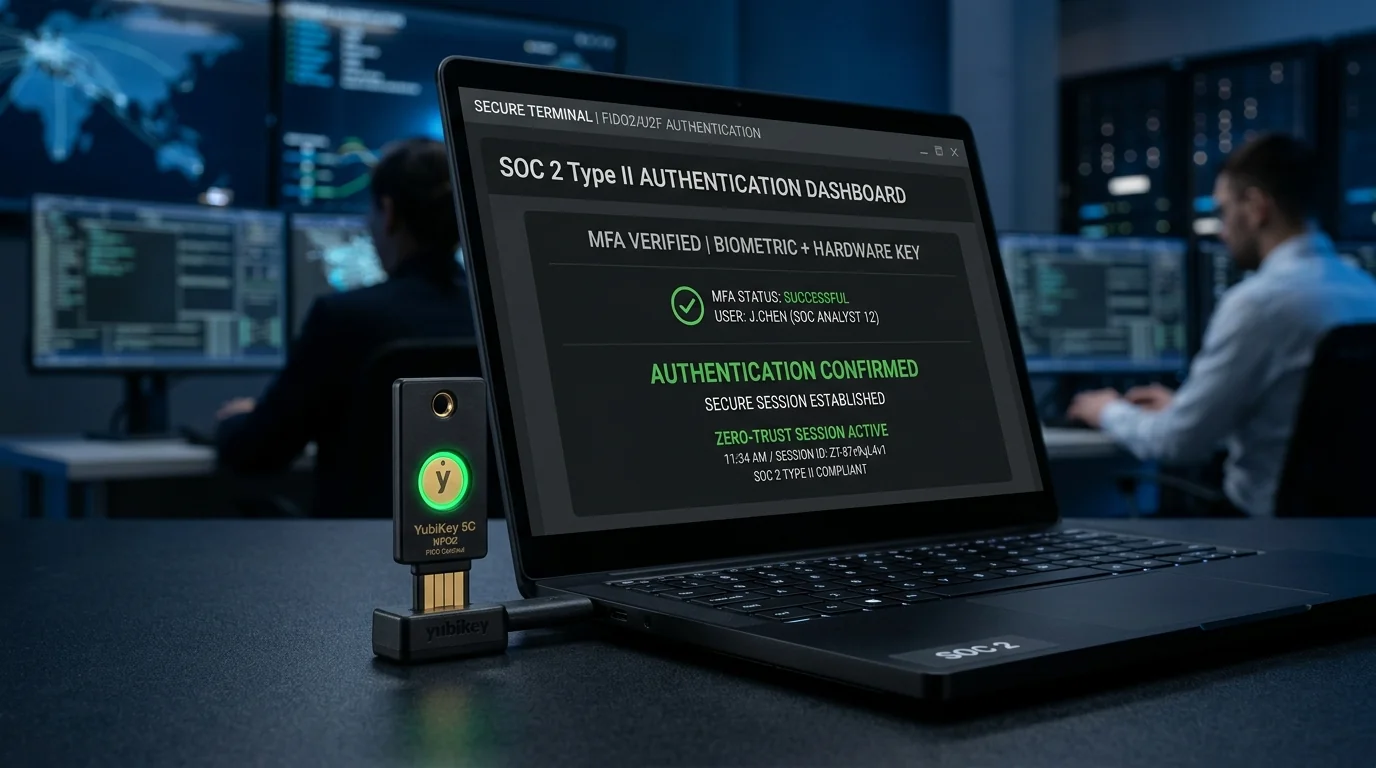
Securing the Controls: How Venko Enforces SOC2-Ready Identity and MFA Safeguards
An in-depth architectural look at how Venko secures its administrative orchestration core using institutional-grade identity patterns, real-time MFA, and automated brute-force protections.
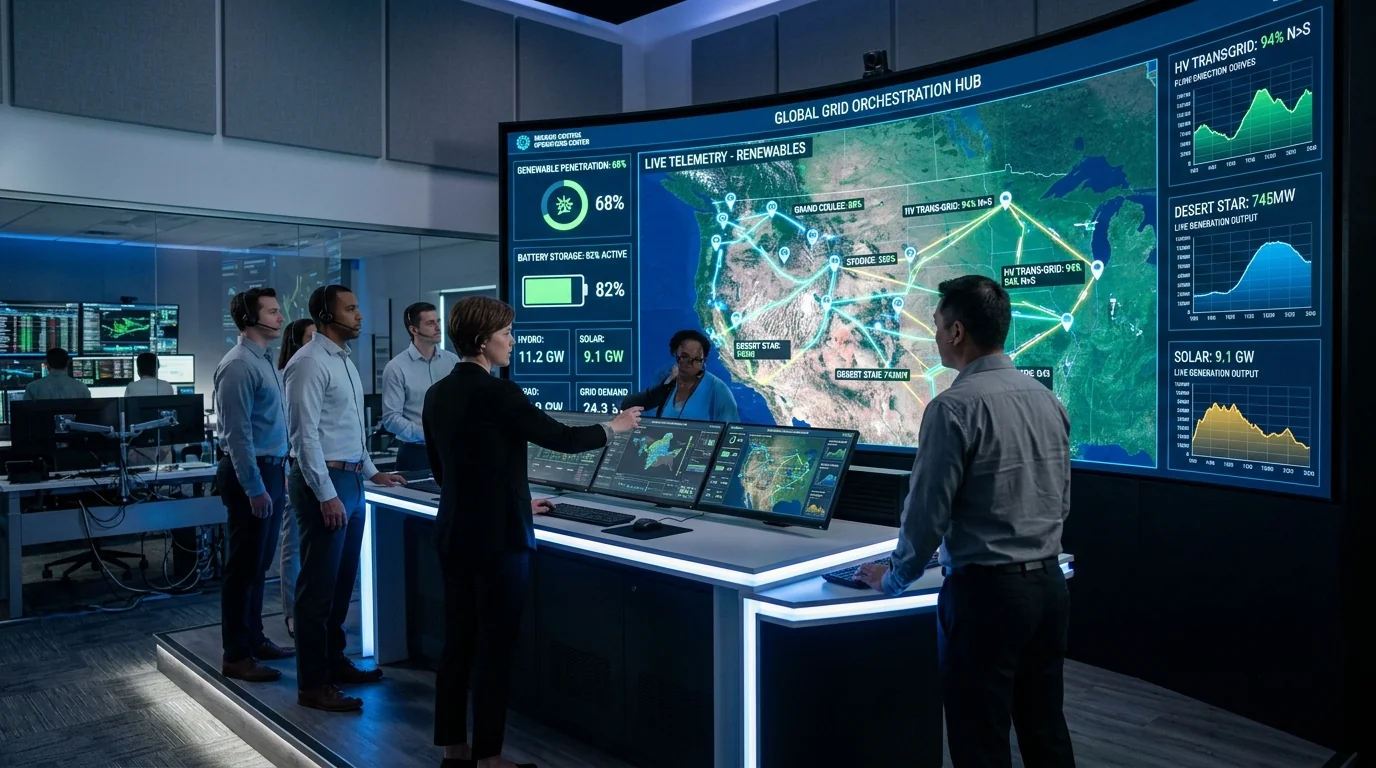
Operational Coordination of Escrow for Global Clean Energy Projects
An in-depth analysis of how Venko's neutral infrastructure coordinates financial transactions and operational milestones in sustainable energy.

Global Demand for Commodities and Brazil's Essential Role in Supplying the Planet
demand for commodities, driven by population growth, shifting. consumption patterns, and industrialization in emerging markets.. Within this context, Brazil stands out as an indispensable global player,.
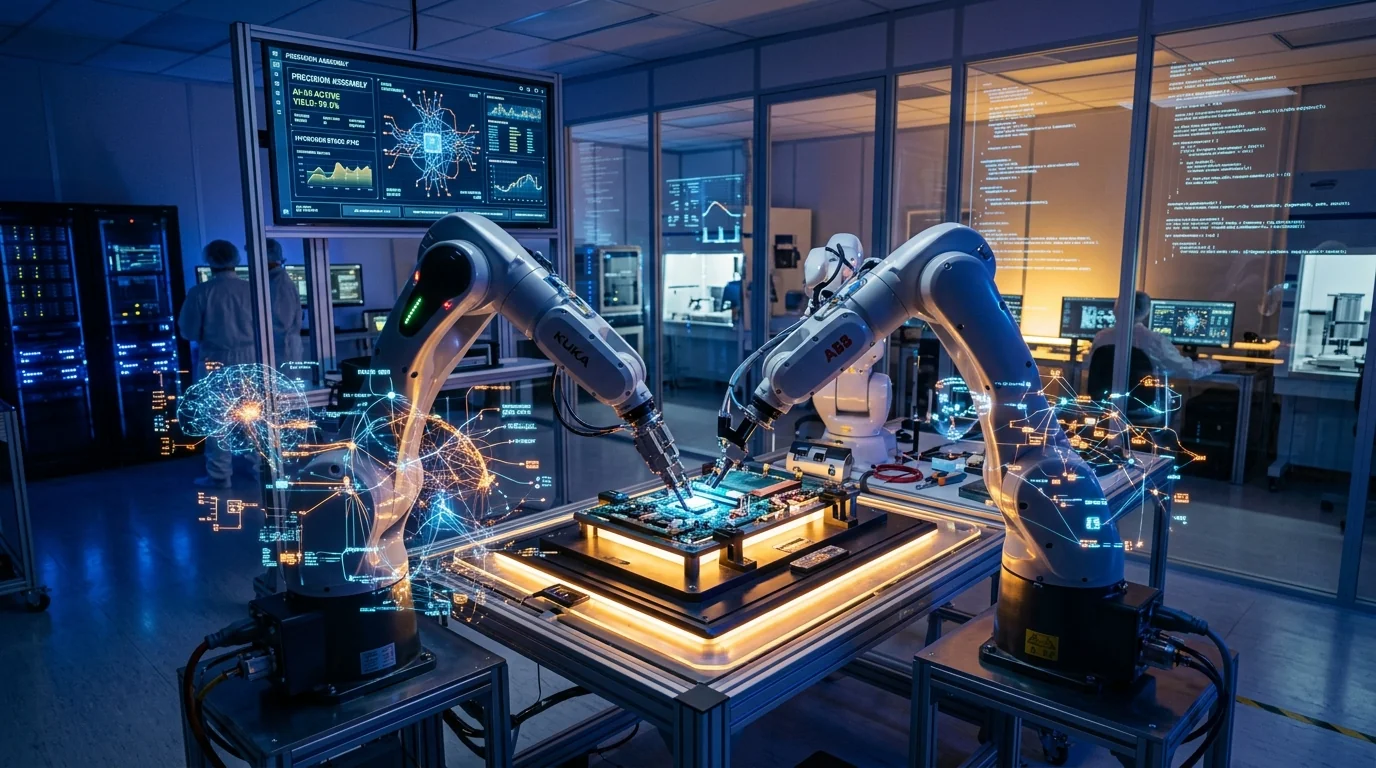
Business Ecosystem Transformation: AI, Robotics, Innovation & Sustainability
has transcended from a strategic advantage to an absolute necessity.. Organizations worldwide are reimagining their operations through. artificial intelligence, robotics, and innovative technologies, all while.

Green Economy: The Growth Model Redefining Profitability and Sustainability
An analytical look at how Venko's transactional coordination layer facilitates high-impact clean energy and bioeconomy capital deployments.
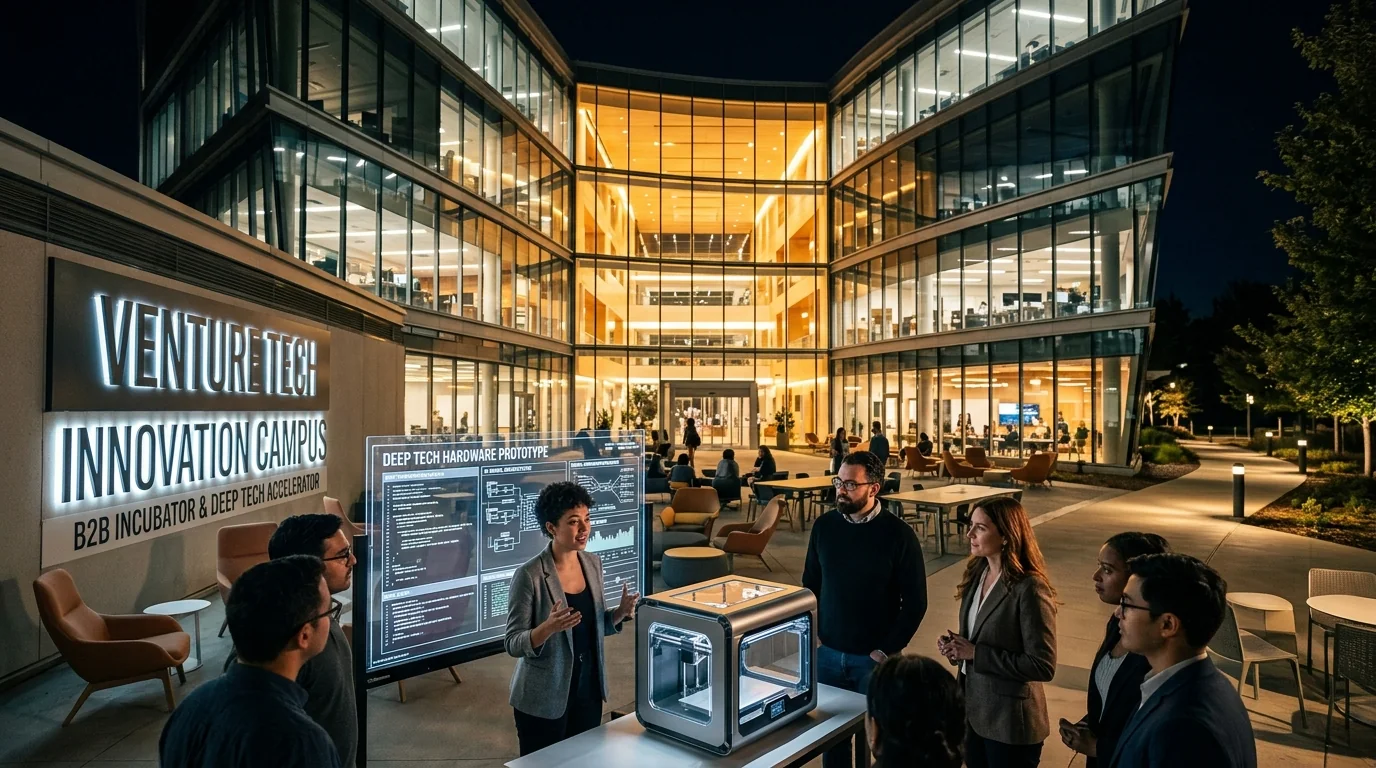
Venture Ecosystem Sponsorship: Fostering Innovation through Regulated Transactional Coordination
How Venko's secure, non-banking workflow integration and ledger systems enable global venture sponsors and institutional investors to mitigate milestone risks in emerging tech.
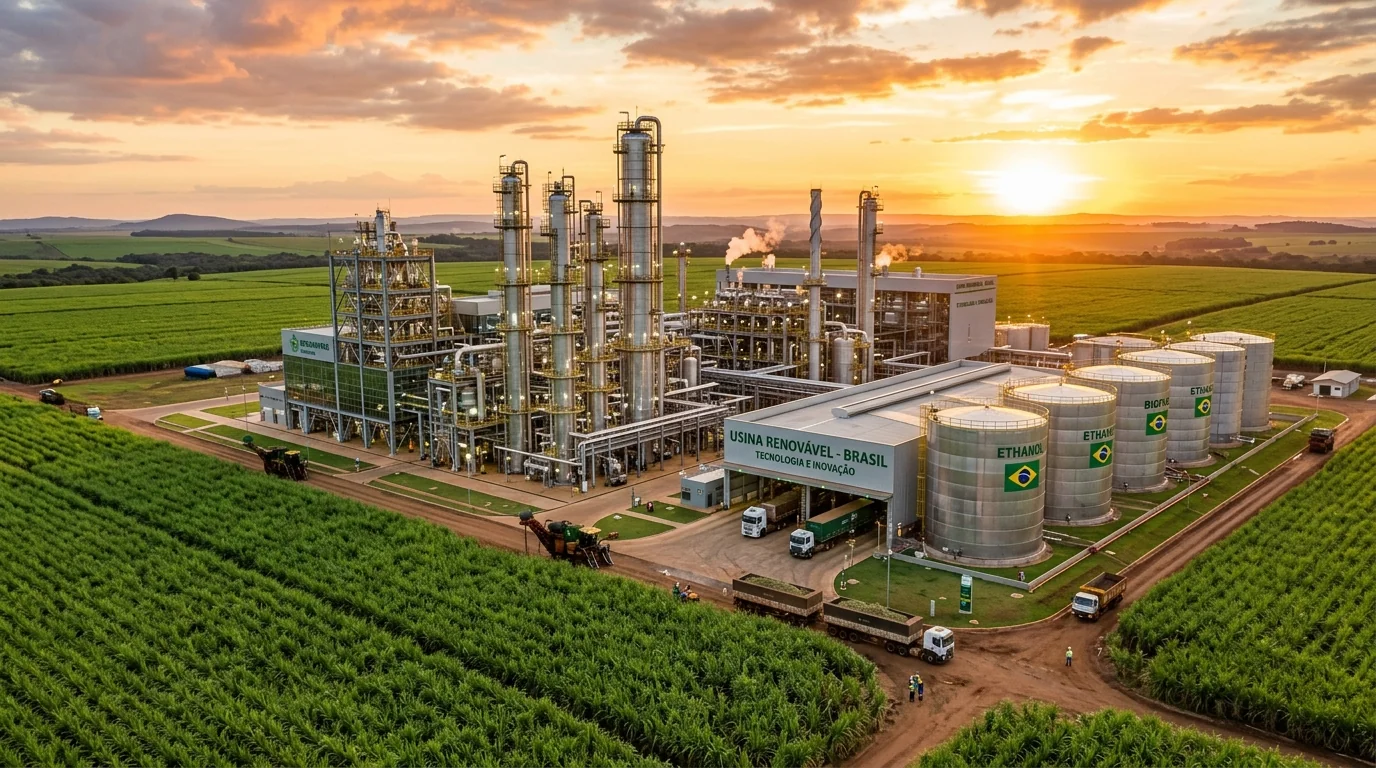
The Pioneering Role of Brazil in the Global Ethanol Scenario: Unveiling Sustainable Horizons.
emerges as an undisputed leader in ethanol production, solidifying its. position as a powerhouse in the global agribusiness. In this context, we. highlight trends, competitive advantages, and future projections for.
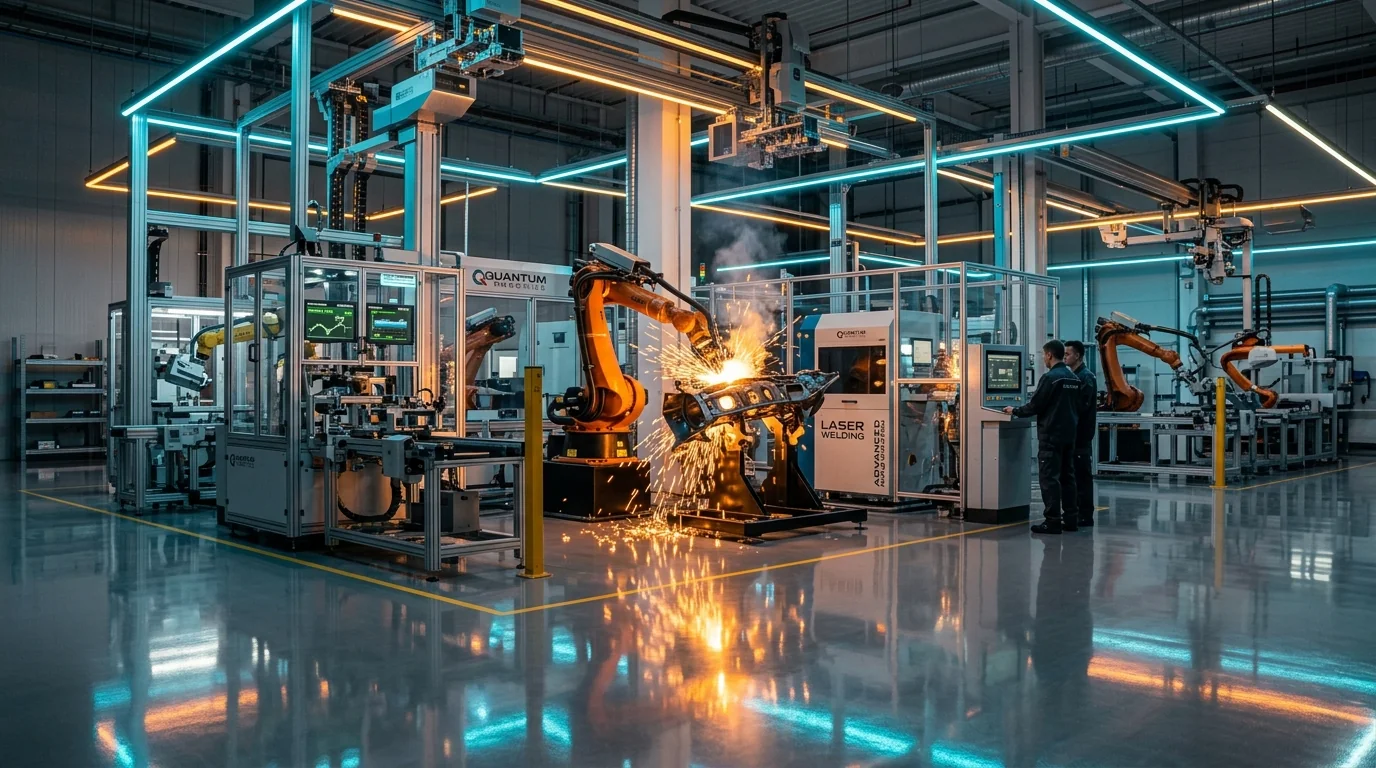
Investment in the Manufacturing Industry: A Promising Strategy for the Future.
numerous advantages and opportunities in a constantly evolving. business landscape. This sector plays a fundamental role in the global. economy, contributing to economic growth, job creation and.

The Green Economy: Sustainability, Forestry Activities and Forest Preservation
challenges of our time. It is based on principles of sustainability and. conservation, promoting activities that not only drive economic growth. but also protect the environment.

Brazil, a Trend in New International Investments.
investments in recent years. With a diversified economy, vast natural. resources, and a constantly growing consumer market, the South. American country is increasingly attracting the attention of foreign.

From Waste to Resource: The Power of Upcycling
concept of upcycling has emerged as a powerful solution to combat. waste and promote resourcefulness. Upcycling is more than just. repurposing old items; it's a creative way to transform discarded.

Introduction to the Circular Economy: Redefining Sustainability.
converge, the concept of the Circular Economy stands as a beacon of. hope, promising a paradigm shift that redefines sustainability as we. know it. Picture a realm where resources are not squandered, but.

Columbite: The Mineral of the Future Driving Technological Innovations
fascinating geological history. Its formation dates back over 2 billion. years, associated with magmatic and hydrothermal processes in. granitic rocks and pegmatites.

Awakening to Reality: Fiery July and the Need to Reforest Degraded Areas of the Amazon Rainforest.
the world, the evidence of global warming can no longer be ignored.. The world has witnessed the hottest month on record, an urgent signal. that immediate action is needed.
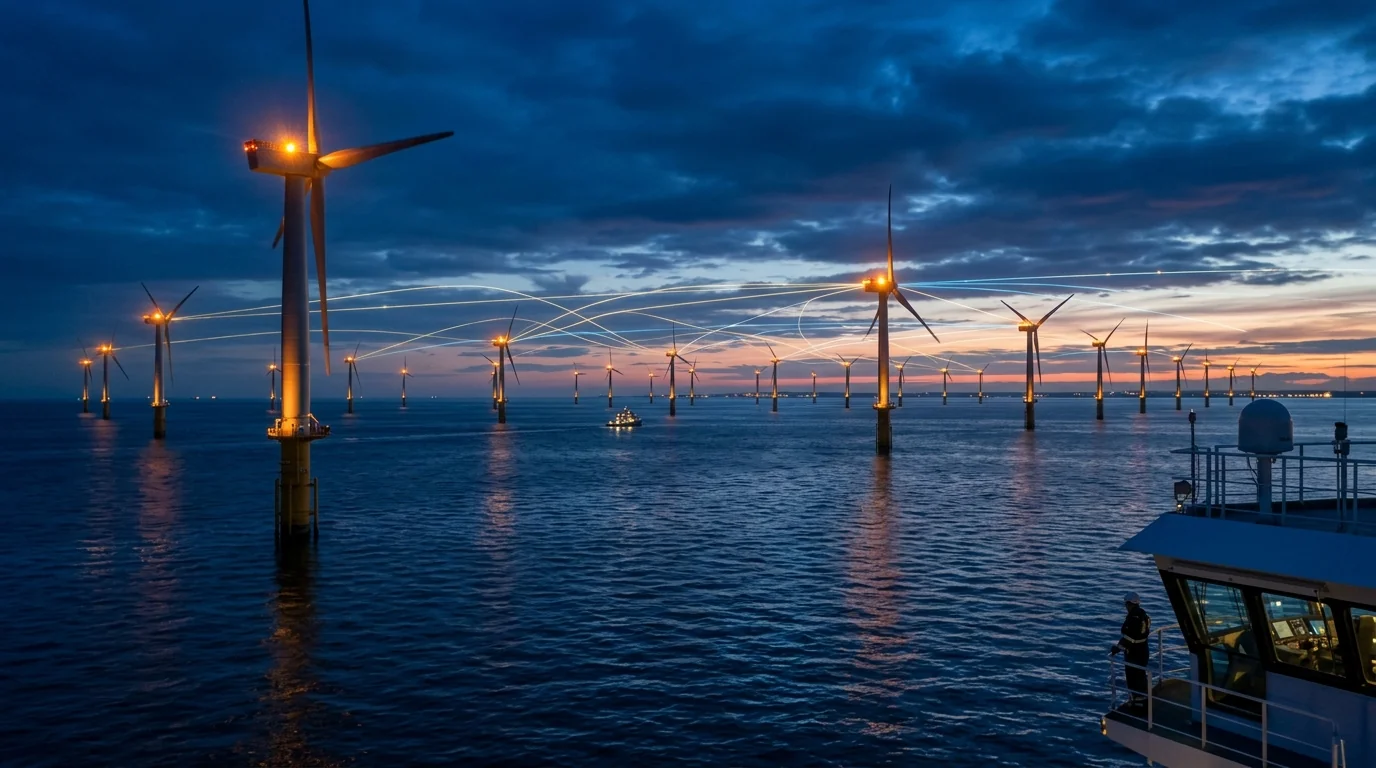
Clean Energy: International Investment in a Sustainable Future
resources has driven the search for sustainable solutions for energy. generation worldwide. In this context, clean energy emerges as a. promising international investment that combines financial profitability.